Understanding Smart Home Gadgets
Smart home gadgets have transformed the way we interact with our living spaces, offering convenience, security, and energy efficiency at the touch of a button. These innovative devices are designed to simplify daily tasks, enhance home security, and improve energy management. As technology progresses, smart home solutions become more integrated and accessible to everyone. When exploring options, smart home gadgets provide comprehensive insights and numerous possibilities for upgrading your home experience.
What Are Smart Home Gadgets?
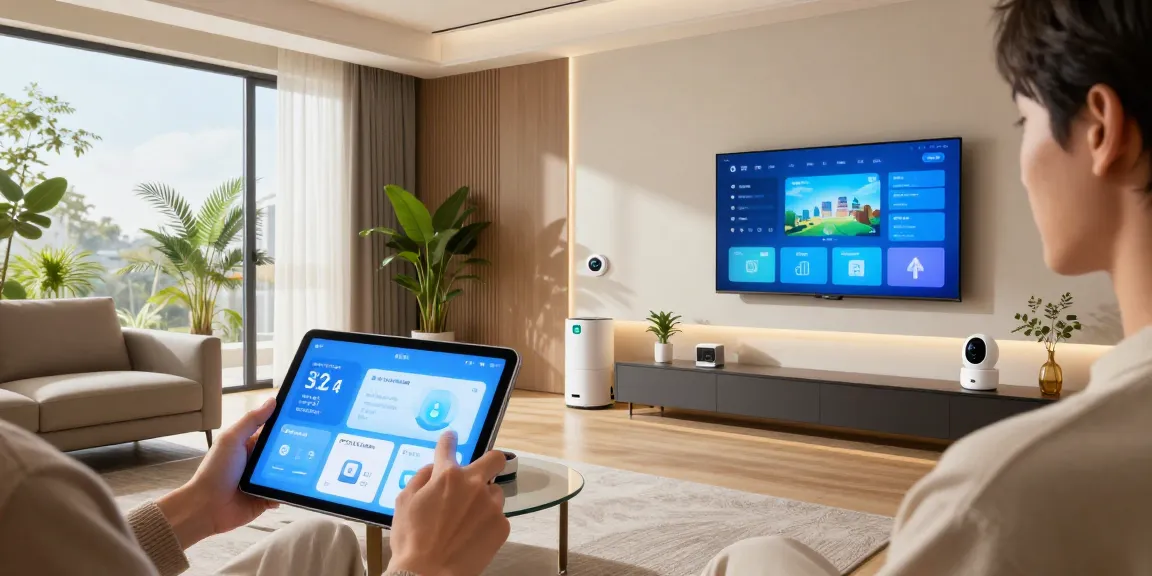
Smart home gadgets refer to devices that connect to the internet and can be controlled remotely, either through apps or voice commands. These gadgets vary widely, including smart speakers, thermostats, lights, security cameras, and appliances. The primary goal of these devices is to automate tasks and provide a seamless living experience. Usually, they can be managed through a central hub or a smartphone app, enabling users to customize settings and monitor their home environment from anywhere.
The Benefits of Smart Home Automation
The automation of home gadgets offers numerous benefits, including:
- Convenience: Smart devices allow homeowners to control various functions, like lighting and temperature, through voice commands or mobile apps, conveniently managing their environment.
- Enhanced Security: Devices such as smart locks and security cameras provide increased home security, enabling users to monitor activity and control access remotely.
- Energy Efficiency: Smart thermostats and lights adapt to users’ habits, decreasing energy consumption and lowering utility bills.
- Accessibility: Smart home technology can enhance accessibility for individuals with disabilities or the elderly, making it easier to manage daily tasks.
How Smart Devices Work Together
Most smart home devices operate on common communication protocols such as Wi-Fi, Zigbee, or Z-Wave, allowing them to work together seamlessly. These devices can form an integrated system where actions can be automated based on specific triggers. For instance, using a smart thermostat, you can program temperatures to change when you leave or arrive home or integrate smart lights to turn on when a security camera detects motion. This interoperability enhances efficiency and improves the user experience.
Top Smart Home Gadgets for 2026
As we move further into 2026, several smart home gadgets have emerged as must-haves for tech-savvy homeowners looking to enhance their living spaces. Here’s a look at some of the top categories and products available.
Must-Have Smart Lighting Solutions
Smart lighting solutions provide customizable brightness levels and colors, allow for scheduling, and integrate well with home automation systems. Products like Philips Hue and LIFX offer versatile options for creating the perfect ambiance in any room. Users can control these lights remotely, set them to react to certain triggers, and even schedule them to turn on or off at specific times.
Innovative Smart Security Cameras
Smart security cameras have become essential for home safety, offering features like motion detection, two-way audio, and night vision. Models such as the Arlo Pro 4 and Ring Spotlight Camera provide high-resolution video feeds accessible through mobile apps, sending alerts directly to users’ phones when unusual activity is detected. These cameras can integrate with smart home hubs, enhancing the overall security system of your home.
Smart Thermostats for Energy Efficiency
Smart thermostats like the Nest Learning Thermostat and Ecobee SmartThermostat are crucial in managing energy usage efficiently. These devices learn users’ schedules and preferences, optimizing heating and cooling to reduce energy bills. With remote access through smartphones, users can adjust their home temperature from anywhere, ensuring comfort and energy savings.
Integrating Smart Gadgets in Your Home
Implementing smart home technology can seem daunting, but understanding how to effectively integrate these gadgets can lead to a smoother and more efficient home automation experience.
Setting Up Your Smart Home Network
Establishing a strong and secure Wi-Fi network is the first step toward integrating smart home devices. Ensure your router can support multiple devices connected simultaneously, as many smart gadgets will require a connection to function. Consider using a dedicated network for your smart devices to enhance security and manage bandwidth more efficiently.
Choosing the Right Ecosystem
When selecting smart home gadgets, consider the ecosystem they belong to. Popular ecosystems include Amazon Alexa, Google Assistant, and Apple HomeKit. Choosing devices compatible with your chosen ecosystem ensures seamless integration and easy control of all gadgets through a single app or voice assistant.
Common Installation Mistakes to Avoid
New users often encounter challenges when setting up smart devices. Common mistakes include failing to read the manufacturers’ instructions, neglecting to update firmware, and not placing devices in optimal locations for connectivity. Taking the time to understand each device and its requirements can save time and frustration during installation.
Future Trends in Smart Home Technology
As technology continues to evolve, several trends are shaping the future of smart home devices, making homes more efficient, convenient, and secure.
Advancements in Artificial Intelligence for Homes
Artificial intelligence (AI) is at the forefront of many innovations in smart home technology. Enhanced AI algorithms can better learn user behaviors, providing more personalized automation experiences. For instance, smart speakers like Amazon Echo and Google Home now use AI to adjust to users’ preferences and even anticipate needs based on past behavior.
The Rise of Voice-Controlled Devices
Voice control is becoming increasingly prevalent in smart home technology. Devices integrated with AI-powered voice assistants allow users to control multiple devices hands-free. This trend is expected to grow as voice recognition technology improves, making it easier for users to manage their homes without needing to interact with screens.
Impact of 5G on Smart Home Devices
The rollout of 5G networks is set to revolutionize smart homes by providing faster and more reliable connections. This technology will enable real-time communication among devices, enhancing performance and responsiveness. With 5G, we can expect smarter automation scenarios, more devices working in unison, and improved capabilities for remote monitoring and control.
Frequently Asked Questions About Smart Home Gadgets
What are the best smart home devices to start with?
For those new to smart home technology, starting with essential devices such as smart bulbs, smart speakers, and smart plugs can provide a good foundation. These devices are typically easy to install and offer immediate benefits in convenience and efficiency.
How do smart home gadgets improve security?
Smart home gadgets improve security through features such as remote monitoring, real-time alerts, and automation of locks and cameras. Users can check their home security at any time and receive notifications about suspicious activity.
Can I integrate different brands of smart devices?
Yes, many smart home ecosystems allow for integration of devices from different brands. It’s important to ensure compatibility with the chosen hub or app to control these devices seamlessly.
What are the energy savings from smart thermostats?
Smart thermostats can lead to significant energy savings by optimizing heating and cooling schedules based on user habits, potentially reducing energy bills by 10-30% annually.
How can I troubleshoot common smart home device issues?
Basic troubleshooting steps include checking the device connection to Wi-Fi, ensuring the device firmware is updated, and verifying that all integration settings in the app are correct. Most manufacturers provide support resources that can aid in resolving common issues.